House Edge and Volatility in Casino Games: How to Choose What Suits Your Play
Sensible game selection starts with a simple admission: two games that look alike can treat your balance very differently. The house edge is the casino’s built-in margin, the gap between the true odds of an outcome and what a win pays. Volatility is about timing, describing whether results cluster tightly around the average or spread far from it. Cost and variance, in other words. A player with a small budget and an evening to fill is choosing differently from one who wants a slim chance at a big result within a few spins. Neither preference is irrational; they simply point at different games, and the rules and paytables are where the clues sit.
See also:
- What the House Edge Takes From Every Bet
- Operator comparison: games, accounts and verification
- mecca casino
- house of fun free spins
- nalu casino
- my empire casino
- regal wins casino
- fabulous vegas casino
- slotvibe casino
- What Volatility Means for Your Session
- Choosing Between Low and High Volatility Games
- Where to Find the Numbers Before You Play
- Common Questions About House Edge and Volatility
- Keeping Play Under Control in the UK
What the House Edge Takes From Every Bet
The House Edge as a Long-Run Average, Not a Per-Spin Tax
House edge is a long-run average. It describes what a game retains from total stakes over many outcomes, not what happens to any single bet. A game with a higher edge can still pay out handsomely in the short term; the edge only becomes visible across a large number of plays. That distinction matters when comparing games, because the figure tells you about direction over time, never about your next hand, spin or deal. A steeper edge means the cost of play accumulates faster.
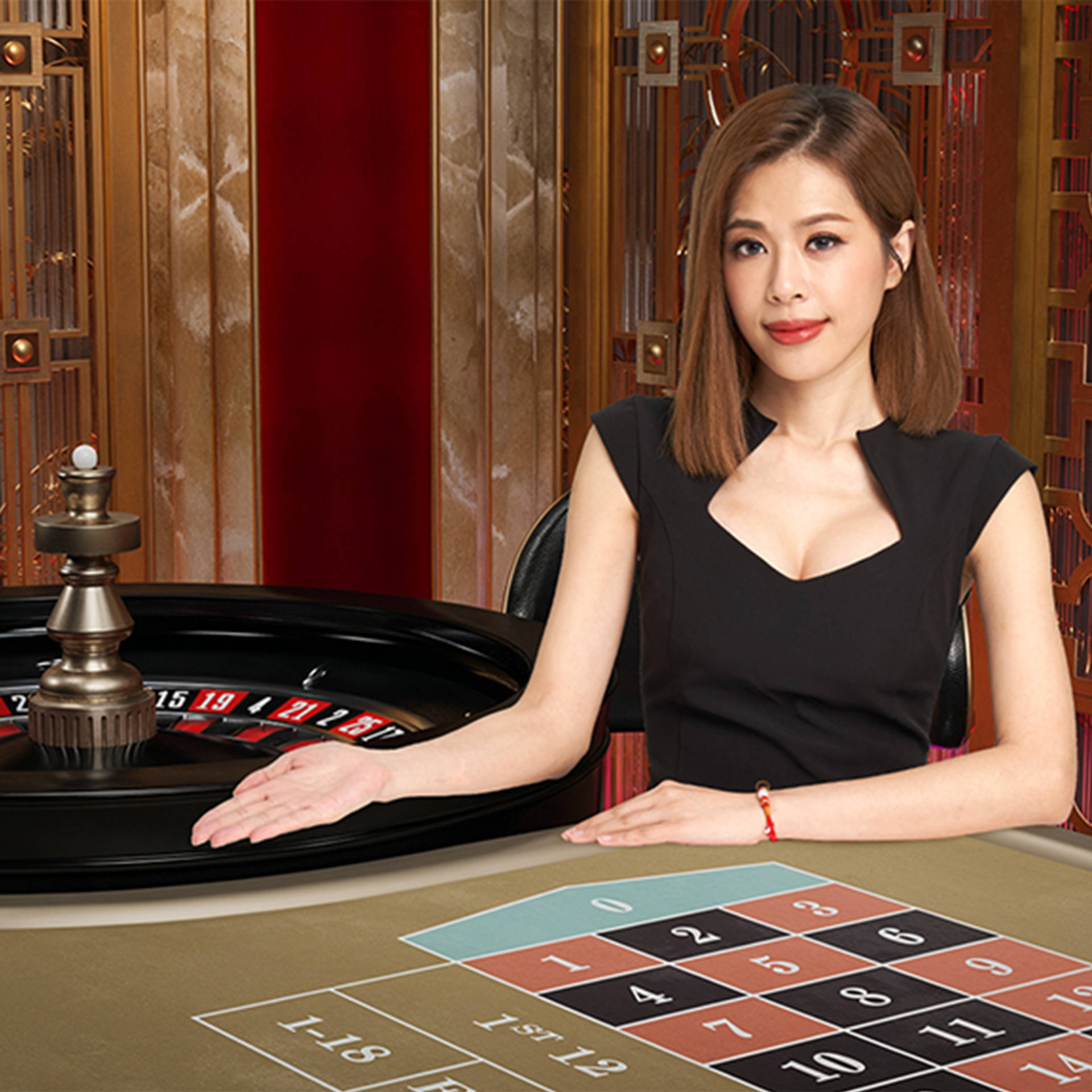
The mechanism sits in the gap between true odds and paid odds. On a roulette wheel with a single zero, the payouts are built around the full set of slots including that zero, while the winning numbers pay as though the layout were different. The mismatch, small per bet, compounds over repetition. That is why the house edge alone does not predict session cost: it works alongside the number of bets you place and the size of each stake.
Reading RTP Figures When You Compare Games
Return-to-player is the mirror of house edge, expressed as what is returned over the long run rather than what is kept. A higher RTP means a lower edge, and therefore a lower average cost per unit staked. Two games can share an RTP and still behave completely differently in a session, because the figure says nothing about how often they pay or how much they pay when they do. That is the volatility question, and it is separate.
RTP is also an average over an assumed cycle of play, not a promise to any individual. A game whose cycle is long may show results far from the stated return for a considerable stretch. Treat the figure as a comparison tool for choosing between games on long-term cost, and check where a site publishes reliable information rather than assuming it.
Operator comparison: games, accounts and verification
Mecca Casino and House Of Fun Free Spins raise different questions here, from account requirements to game selection.
| Brand | Details |
|---|---|
| mecca casino | Only players aged 18 or over can hold a Mecca Casino account, and each game carries separate odds and rules. |
| house of fun free spins | Buying virtual coins in House of Fun does not improve game odds; the free coins released every three hours simply top up your balance. |
| nalu casino | Nalu Casino’s game odds come from each title’s developer and are identical for all players; the account’s value is the session record it keeps for comparison. |
| my empire casino | Your my empire casino account cannot change game odds; those are fixed by the game’s supplier. |
| regal wins casino | Your account settings do not alter game odds; the published return-to-player figure on each game’s information screen is the number to compare. |
| fabulous vegas casino | No account tier improves game odds; each game’s information panel holds its own return figure. |
| slotvibe casino | Game weighting in the bonus terms matters more than headline return, since some high-RTP titles contribute nothing to turnover. |
Look for the operators with strong odds on the games you play, then check that the terms match. Odds give the direction; the bonus conditions and limits confirm whether the account suits your routine.
mecca casino
Odds information sits behind your Mecca Casino login, in the game rules rather than in a single account overview page. That matters if you compare titles: the variance and return figure belong to the game, so two slots can behave very differently under the same account. There is no account-level odds setting to adjust, only the choice of which game to open.
house of fun free spins
You might assume a paid coin bundle tilts the odds in your favour. It does not. In House of Fun the in-app purchases buy virtual items, and the spin outcome remains a random draw unrelated to how many coins your account holds. The only account activity that pays back is collecting the free coins released in the lobby every three hours, which adds balance rather than improving odds.
nalu casino
Reading a game’s odds properly means knowing where they come from. At Nalu Casino the return-to-player figure and hit frequency belong to each title as supplied by its developer, and the same numbers apply to every account holder. Your account matters for a different reason: it holds the session data you need to check whether your results sit within the range that a game’s volatility predicts. Without that record, comparisons are guesswork.
my empire casino
The odds you see on a my empire casino game are the odds you get. Nothing in your profile adjusts them, and neither a welcome offer nor a repeat deposit changes the return built into the game. Where the account does earn its keep is promotional value, though any bonus winnings come with wagering requirements that must be met before you can withdraw them.
regal wins casino
Odds you encounter belong to the individual game, and the route to checking them sits inside the game itself. Load the title, open its help or information screen, and read the published return figure before you stake anything. A low percentage is a fixed cost, not a signal that a win is due. On Regal Wins, the welcome offer restricts bonus play to a named list of slots, so check the return on those specific titles rather than assuming every game in the lobby qualifies.
fabulous vegas casino
The account is a record of play, not a dial for the odds. Each slot carries its own mathematical profile, fixed by the provider and published in the in-game help. A £10 deposit meets the minimum at Fabulous Vegas, and the welcome offer requires staking £10 on any slot to qualify for 150 free spins. Learn the game’s rules screen first, since offer terms can restrict which titles count.
slotvibe casino
Terms and conditions decide which games count towards a wagering requirement, and that matters more than headline odds when you play with a bonus. A game with a high advertised return may contribute nothing to turnover. Before accepting any promotion, open the terms and read the game-weighting list, which names the eligible titles and the percentage each one contributes to the playthrough.
What Volatility Means for Your Session
Volatility Describes the Shape of Your Results, Not Their Direction
Volatility is the spread of outcomes around the expected return. A low-volatility game pays frequently and in small amounts, so your balance drifts gradually. A high-volatility game pays rarely, and when it does the amounts are larger relative to the stake. Neither profile changes what the game returns over many plays; they change how that return is delivered, and therefore what a session feels like from one spin or hand to the next.
The practical distinction is cash flow. A small starting balance can fund a long spell of play on a low-volatility game, since regular small wins keep replenishing it. That suits a reader who wants time at the screen and dislikes long dry spells. On a high-volatility game, the same balance can fall in a straight run of losing rounds, and only a rare large win reverses the picture. A reader chasing a big single result is buying that chance with a higher risk of seeing the balance exhausted first.
Why the House Edge Stays Separate From This Choice
Volatility and house edge answer different questions. House edge tells you the average cost of each bet over a long run; volatility tells you how unevenly that cost is spread along the way. Two games can carry a similar edge and feel completely different, which is why selecting on volatility alone leaves half the decision unmade.
A tempting shortcut is to treat a high-volatility game as more generous because its wins look bigger. They are bigger precisely because they are rarer, and the underlying edge is unchanged by that packaging. A clearer criterion is to match volatility to your stake size and the time you intend to play: smaller stakes and longer sessions tend to suit a steadier game, while a short session with a stake you can afford to lose fits a swingier one. Read the game’s information panel or paytable for the volatility indication where the provider publishes one, and treat the displayed return figure, not the size of the top prize, as the measure of cost.
Choosing Between Low and High Volatility Games
Match the Game’s Rhythm to Your Money and Your Patience
Volatility describes how a game distributes its results, not how much it costs per spin or hand. A low-volatility game tends to produce frequent, smaller wins that keep your balance moving in gentle steps. A high-volatility game often produces long stretches with nothing, then a larger payout when it lands. The house edge can be identical in both; volatility changes the shape of the ride, not the direction of travel.
Your budget sets the first filter. A small balance with a short session ahead is a poor match for a game that may swallow many stakes before paying anything. If you have set aside a modest amount for an evening, a low-volatility option keeps you in play longer and makes the session’s cost more predictable. A high-volatility game suits money you are genuinely prepared to lose without seeing a return, because the losing run is the design, not a malfunction.
Session Length and Appetite for Dry Spells
Next, decide how long you want to play and how you react to a flat balance. Low volatility stretches a given stake across more bets, which gives more time at the screen and more opportunities to stop when you choose. High volatility compresses the experience: fewer winning moments, sharper swings, and a real chance the session ends early on a cold streak.
Think about what you actually want from the time. Someone who enjoys steady engagement and dislikes long gaps will find high volatility frustrating, while someone chasing a large single result will find low volatility tedious precisely because it pays often and small. Neither preference is wrong. The mistake is choosing high volatility with money you needed for the rest of the month, then treating the inevitable dry spell as bad luck to chase. A sensible approach is to pick the volatility level first, then set your stake so a normal losing run stays within your limit.
Where to Find the Numbers Before You Play
-
Every comparison starts with the same small action: tap the info button on the game screen and read what the supplier printed. Theoretical return, the rules, the feature descriptions and often a volatility indicator are all in that panel. Sites rarely alter these values, so the panel tells you what the game does regardless of which casino hosts it.
-
The documents that decide a bonus question are separate from the game panel. If you are choosing between two games for a session that involves wagering, the site’s terms list the contribution each game makes towards that requirement. A title excluded from the list adds nothing to clearing no matter how well it pays. Read the clause, not the promotional summary.
-
Three practical checks distinguish a game you can assess from one you cannot:
-
The return figure is stated in the help panel and matches the version of the game named there.
31bets Casino: Finding Games and Reading the Information That Matters
-
The paytable shows probabilities or at least the pay for each symbol and the top-prize cap.
-
The site’s contribution table gives the game a stated role in any active wagering requirement.
-
Where all three are present, you have enough to compare. Where the return or the volatility indicator is missing, the paytable still gives you the structural picture. Look at how much of the pay schedule sits in a rare feature and how flat the base-game pays are. Flat base pays with a heavy feature payout reads as high volatility; regular small pays read as lower. That inference is not as clean as a published figure, but it is better than guessing from the theme.
-
Limits belong in the same check. Confirm the minimum and maximum stake and any per-round win cap before you commit. A game with a cap you did not notice can return less in practice than its published average suggests.
-
Finally, decide what you will spend and for how long before the numbers start moving. The documents inform the choice between games; your own limit keeps the session from being decided by an unusually long run of losses. Check the figures, choose, then play to your plan.
Common Questions About House Edge and Volatility
Does a high RTP guarantee I will win more during one evening of play?
No. A high RTP describes a long-run average across an enormous number of bets, not an outcome for your session. On any single evening, short-run variance can leave you well below or above that figure, so a generous RTP game can still produce a losing night.
Can a casino change a game’s volatility or payouts after I have started playing it?
Game mathematics is set by the supplier, so a site cannot quietly retune a slot mid-spin. Operators can swap in a different configuration when they deploy a new version, and that new version should carry its own published figures. If a game’s help screen changes, treat it as a different product.
Why does the same slot show a different RTP at different casinos, and which figure applies to me?
Some slot titles exist in multiple configurations, and each site publishes whichever version it runs. On UK-licensed sites the advertised RTP should reflect the version you actually play, so read the figure inside the game’s help or paytable screen on the site where you intend to stake, not from a review or a foreign version.
Keeping Play Under Control in the UK
In the UK you must be 18 or over to gamble, the Gambling Commission regulates the market, and GAMSTOP lets you self-exclude from licensed sites in one step. Use deposit and loss limits to fix the amount at risk before play, not after a losing run. That cap is what stops chasing losses, because the next stake cannot come from money you had already decided not to touch. For support, contact GamCare or BeGambleAware, or ring the National Gambling Helpline on 0808 8020 133.
Megariches Casino Bonus: Account Restrictions